Importing machinery for the first time raises the same questions every time: how much should I order, how will it ship, and who pays for what? This guide walks through the decisions we discuss with new partners before the first order.
FCL or LCL?
FCL (Full Container Load) means you book a whole container — usually 20 ft, 40 ft or 40 ft high-cube — and only your goods go inside. The container is sealed at our factory and opened at your warehouse.
- Lower cost per unit once you have enough cargo
- Less handling, so less risk of damage
- Simpler customs clearance with one consignee
LCL (Less than Container Load) means your cargo shares a container with other shippers. It is consolidated at a warehouse, shipped, then separated at the destination.
- Good for trial orders, samples and spare parts
- You pay by volume or weight, not for a full box
- More handling and usually longer transit, as cargo waits for consolidation
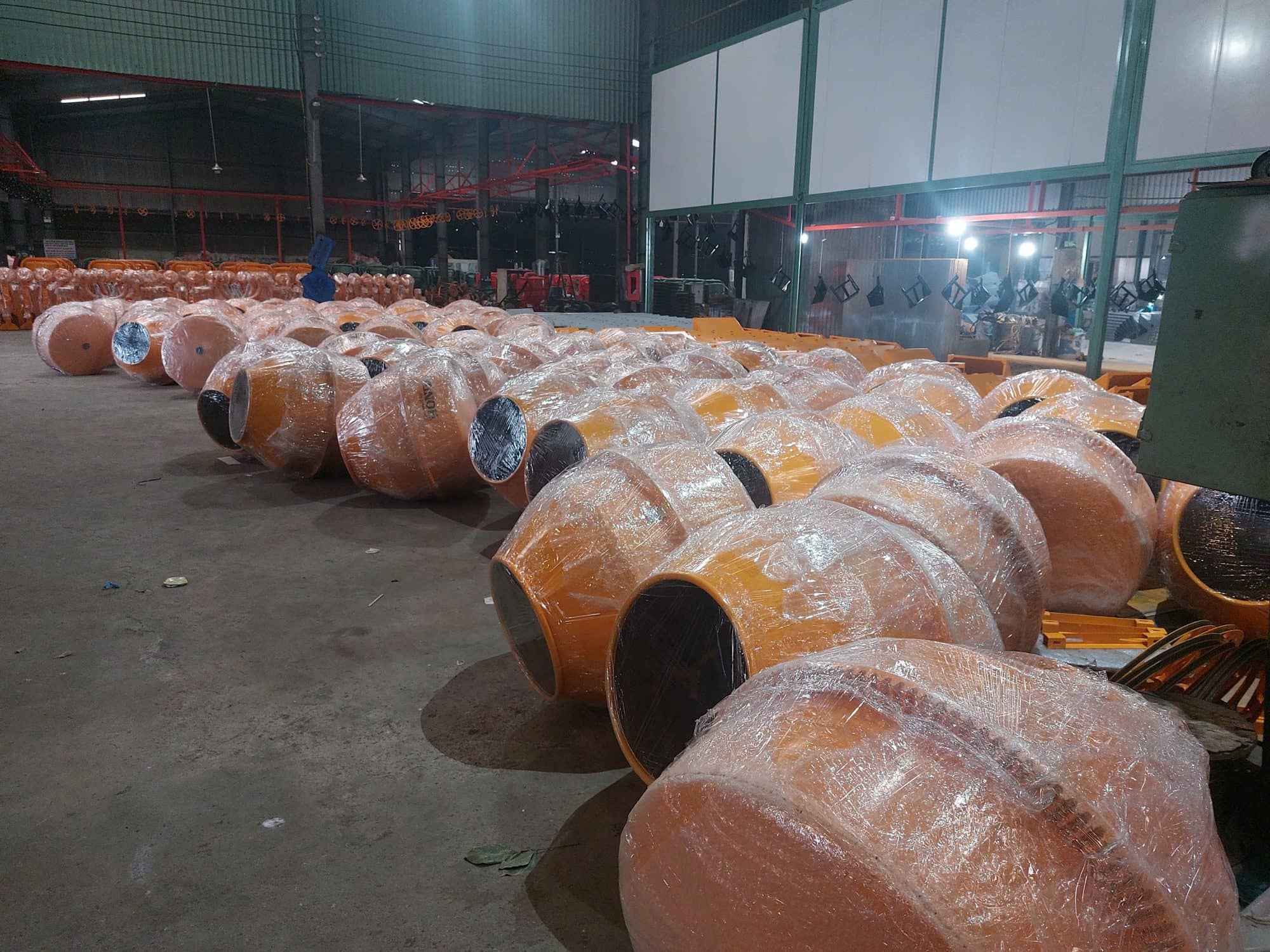
For LCL, we pack machines on pallets and strap them so they survive extra handling. As a rule of thumb, once a shipment approaches half a container, it is worth asking your forwarder to compare an FCL quote.
Mixing Products in One Container
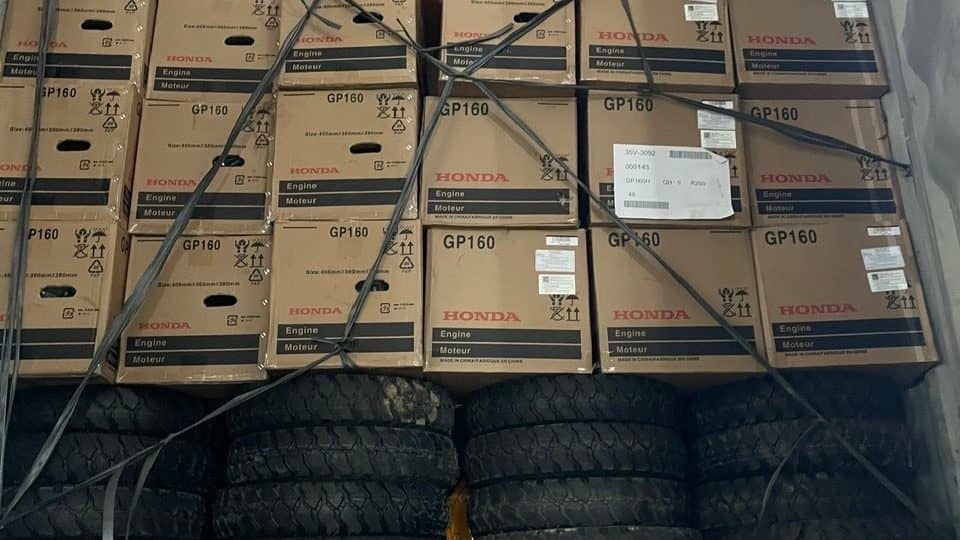
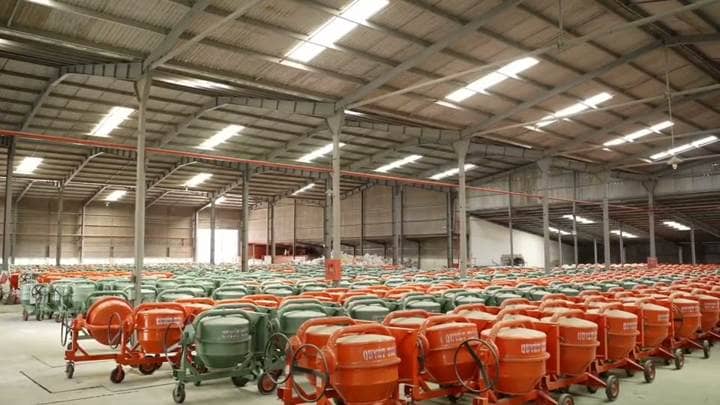
You do not need to fill a container with one model. We regularly load mixed containers, for example concrete mixers with wheelbarrows, or threshers with rice transplanters and spare parts. Each product has its own MOQ — from 1 unit for threshers and stirrup bending machines, to 2–5 units for concrete mixers, and 20 units per wheelbarrow model — so a mixed FCL lets you test several products in your market in one shipment.
Tips for mixed loads:
- Share your target product list early; we plan the loading layout so heavy items go low and light items fill gaps.
- Nesting matters: wheelbarrow trays and mixer drums can be packed to save space.
- Add spare parts — belts, gears, claws, tyres — to the same container. It costs little extra and saves an urgent air shipment later.
OEM: Your Colour and Your Logo
Many distributors sell under their own brand. On our concrete mixers, you can specify colour (yellow, orange, red, dark red, blue, green, grey or a custom colour), your logo and decals, wheel and tyre type, engine type and drum thickness. Send your logo file and colour reference before production so we can confirm samples and timing.
FOB or CIF?
These are Incoterms rules published by the International Chamber of Commerce. They decide who arranges and pays for each part of the journey and where risk passes from seller to buyer.
FOB (Free On Board) — we deliver the goods loaded on board the vessel at the port of shipment. From there, you arrange and pay for ocean freight and insurance, and risk passes to you.
- Suits buyers who already have a forwarder or good freight rates
- Gives you control over the shipping line and schedule
CIF (Cost, Insurance and Freight) — we arrange and pay for freight and insurance to your destination port. Note that risk still passes to the buyer once the goods are on board at origin, and the minimum insurance required under CIF is limited cover. If you want wider cover, agree it in the contract.
- Suits first-time importers who prefer one price to their port
- Fewer parties to manage on your side
For container cargo, some buyers use FCA (Free Carrier) instead of FOB, so that risk passes when the container is handed to the carrier. Ask your forwarder which rule fits your situation.
Under either rule, you remain responsible for import duties, taxes, port charges at destination and customs clearance in your country. Check product standards, labelling and any import permits before you order.
Before You Place the Order
- Confirm models, engines, colours and quantities in writing
- Agree the Incoterm and the named port
- Ask your customs broker for the HS codes and duty rates
- Plan spare parts for the first season
Ready to plan your first container? Send us your product list and destination port on WhatsApp at +84 946 964 669 or through our quote form, and we will prepare an FOB or CIF quotation.